
National Geographic
The Morphology of Hands
In 2011, I pitched an idea to Bill Marr, then creative director of National Geographic.
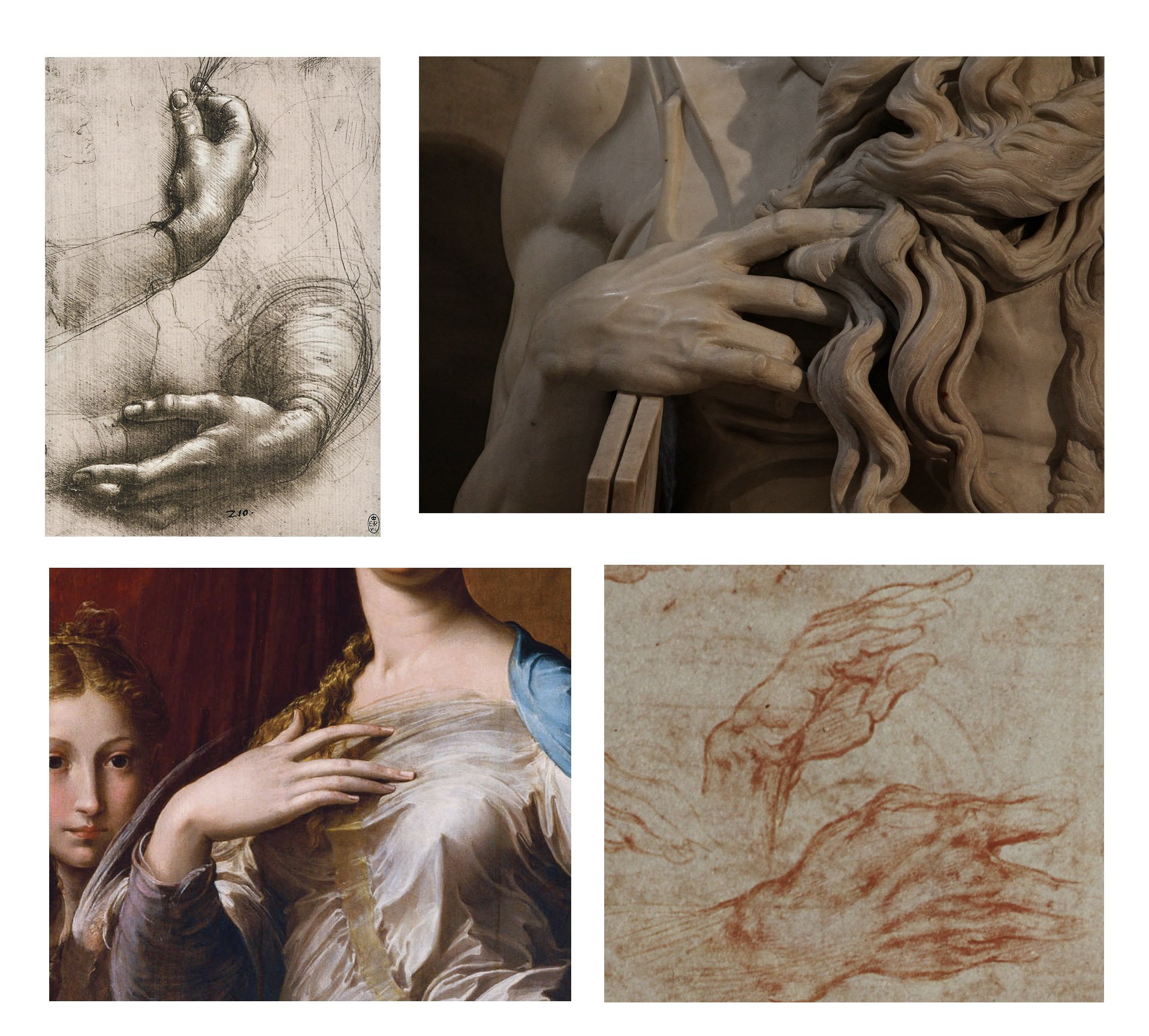
I had been frustrated with the hands in my illustrations; they lacked depth. And while studying my favorite paintings and drawings, I noticed that hands could convey subtle emotions nearly as much as facial expressions can. They contained worlds unto themselves.
Around that time, I came across this 19th-century medical diagram that represents the (now largely obsolete) theory of recapitulation (“Ontology recapitulates phylogeny”).
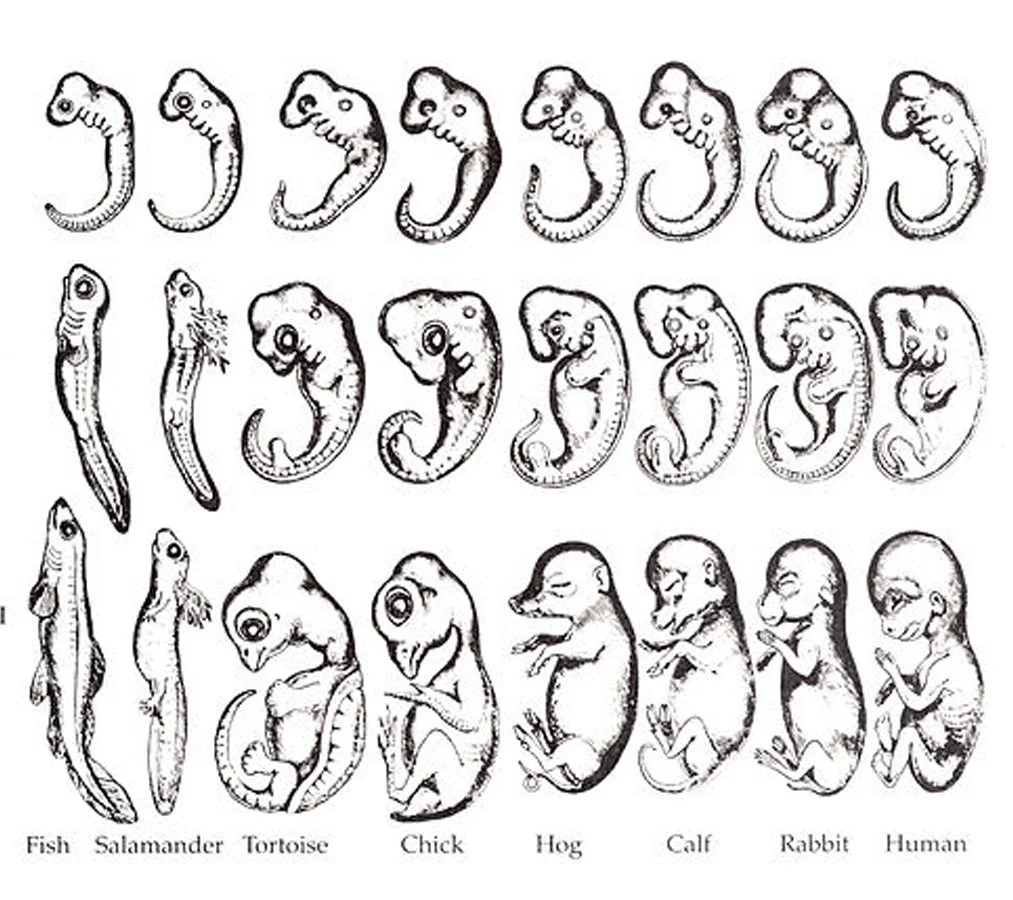
Something ignited in my brain when I saw this diagram. Possibly it was because I had been staring at and copying the hands in masterworks — so many hands in all their different positions and gestures and ages. What struck me in the diagram was the connection and similarity despite such species diversity. There was a seed of us all coming from the same thing, being somehow related. To quote Carl Sagan, “The earth, and every living thing, are made of star stuff.”
With these ideas as a loose framework, I thought an illustration essay of the “hands” of different species could be quite beautiful. So I reached out to Bill and told him about the idea. He was immediately smitten.
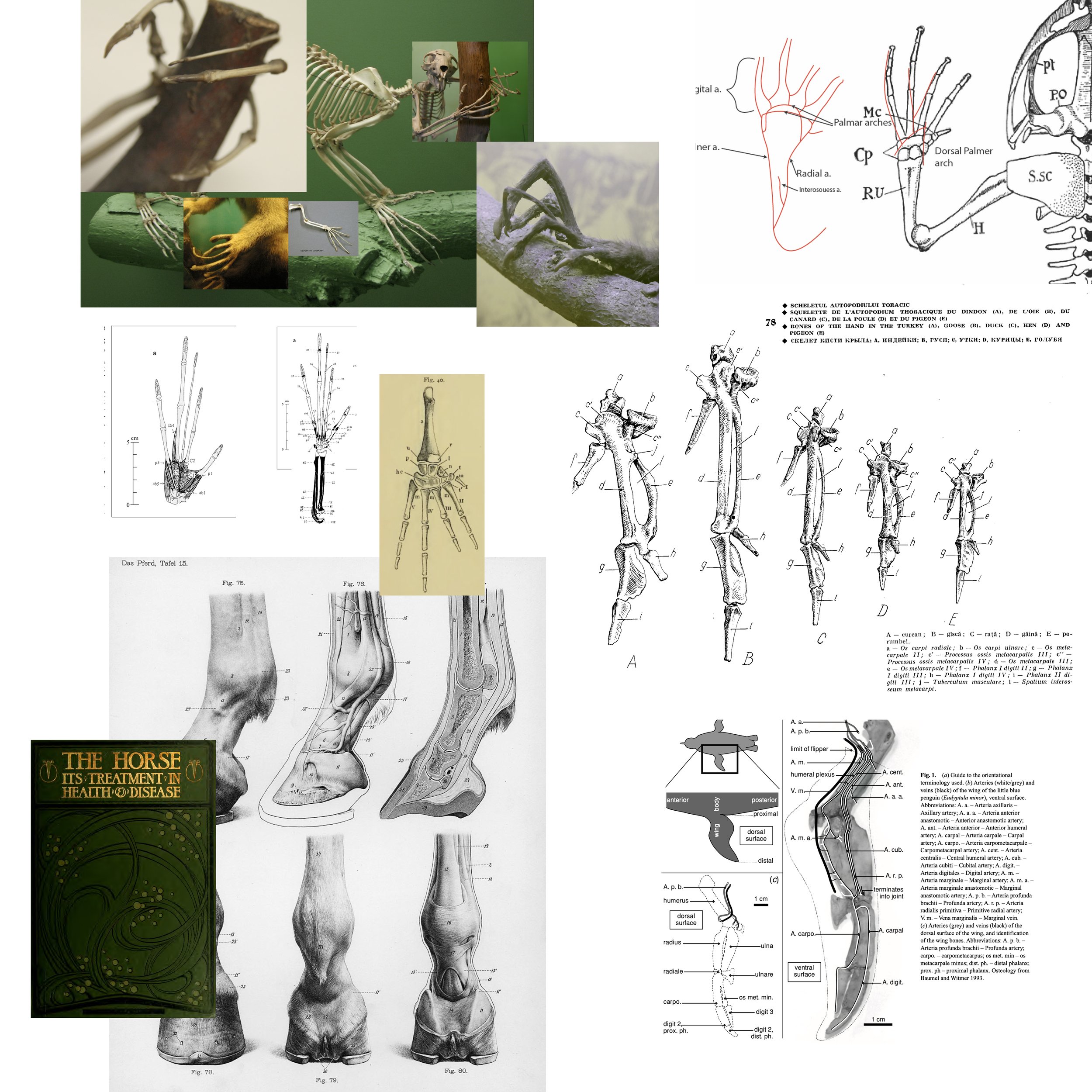
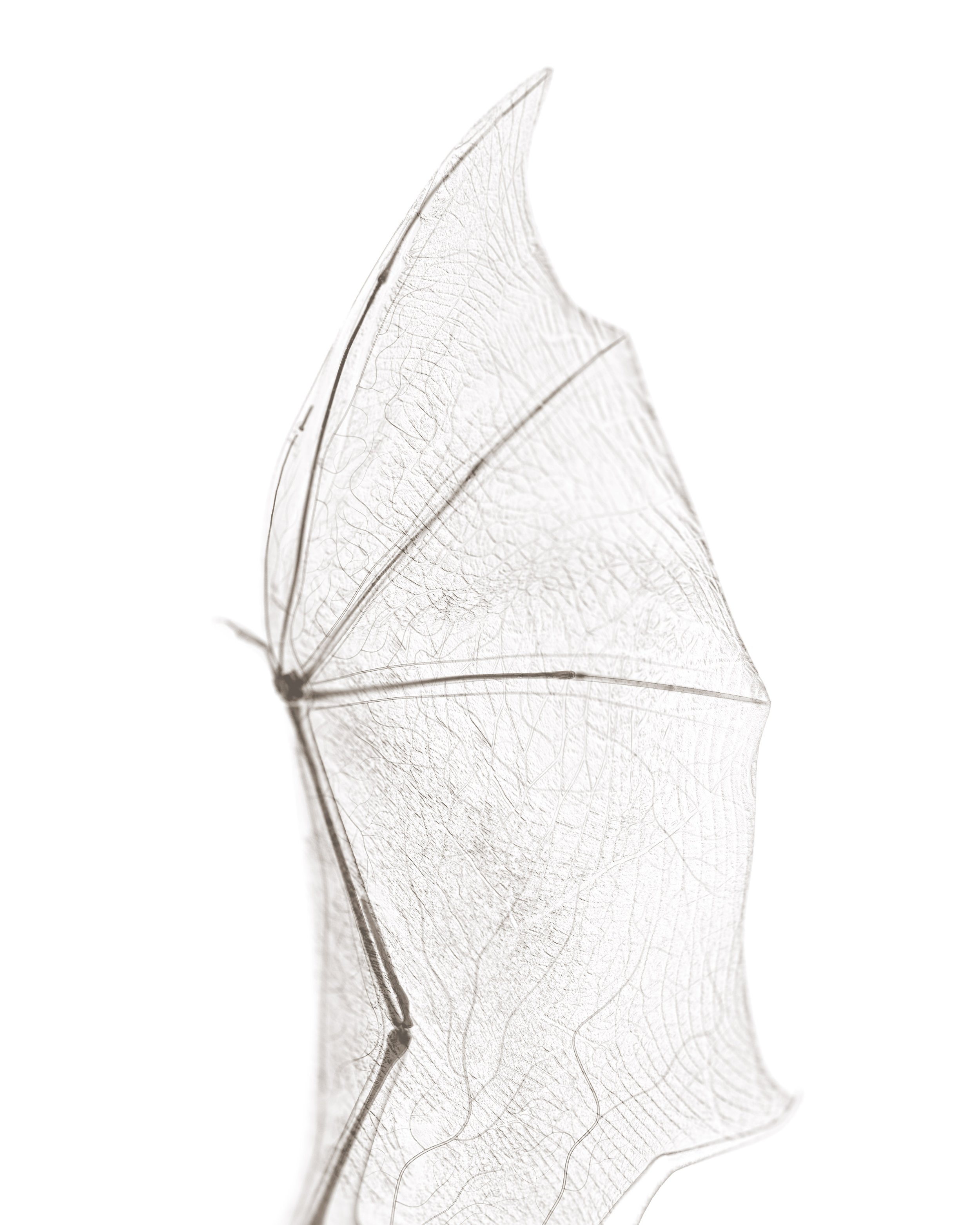
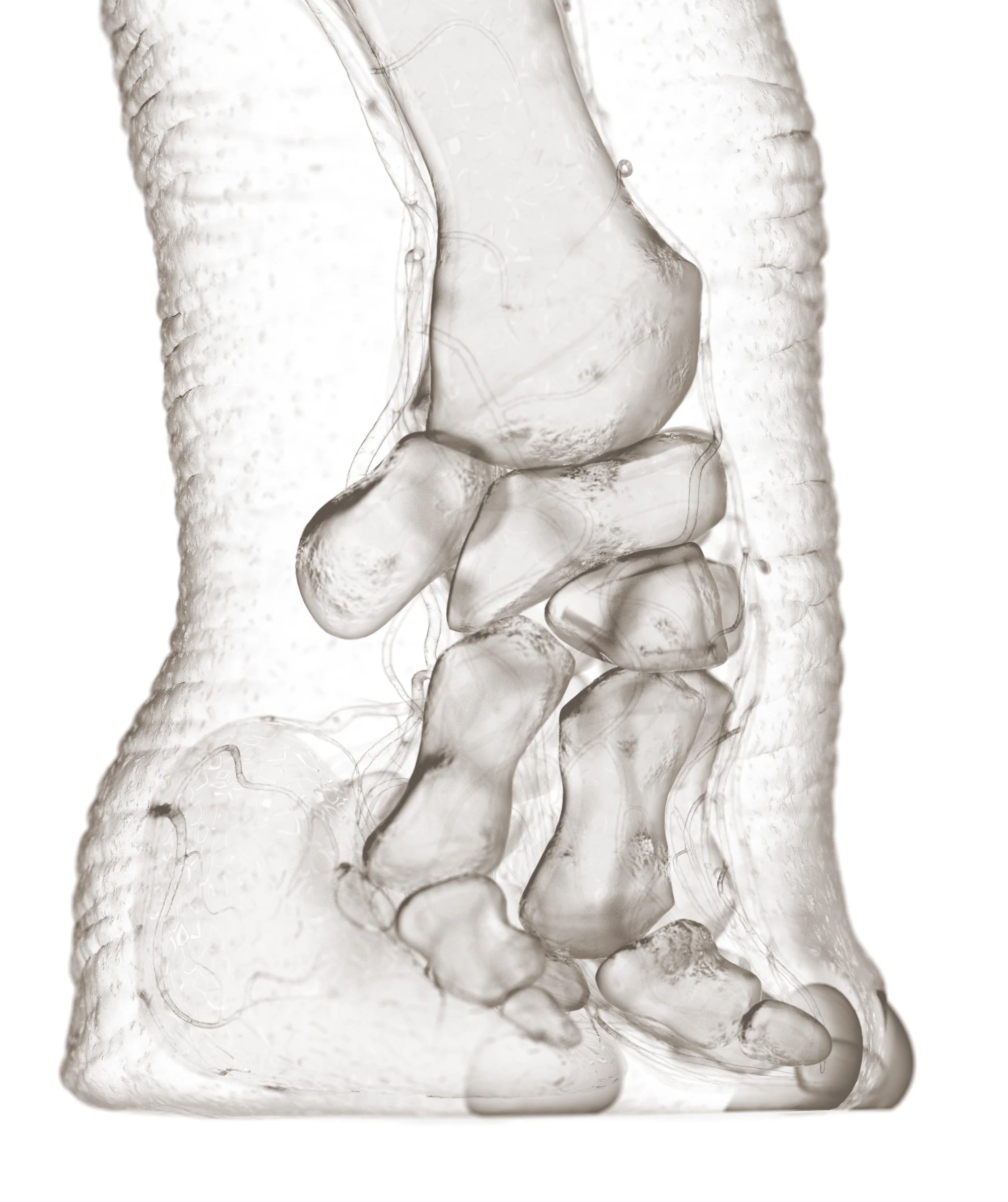
I wanted to show the similarity and the profound variations in our living world. We did tons of research; surprisingly, it was difficult to find reference on some animals. Did you know a bat wing is actually its hand? Did you know a horse’s hoof is basically a fingernail — and they walk on one finger?
Here are some samples of the reference I compiled:
We batted around ideas and eventually settled on six or seven species to illustrate.
Using the reference, the team (Joe Lertola , Jeong Suh, and Victoria Rompilla) and I made some initial renderings on black and sent them to Bill:
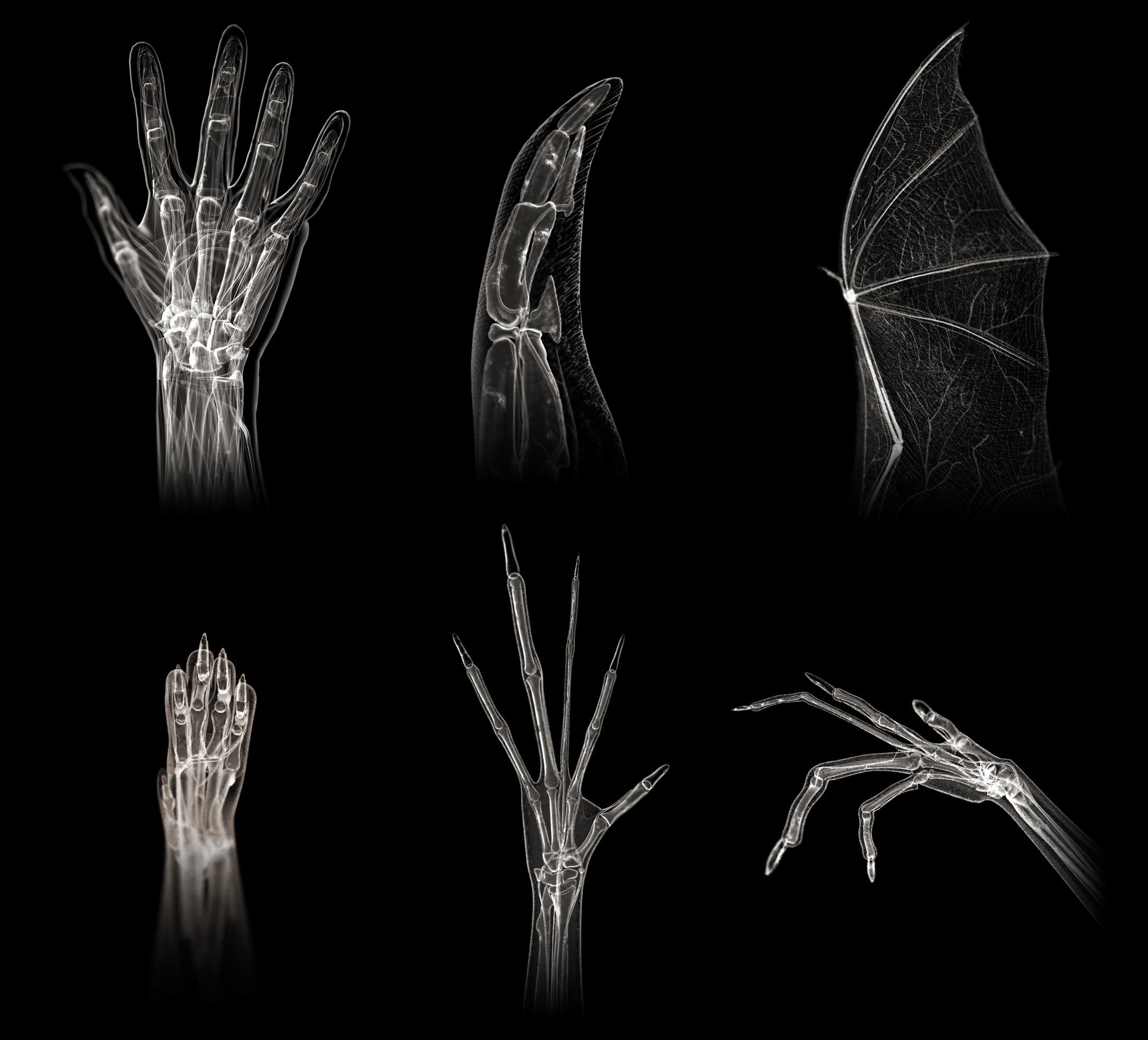
Top row, l-r: Human, Penguin, Bat
Bottom row, l-r: Cat, two views of an Aye-Aye’s hand
There was some back-and-forth with Bill, and we decided to try them on a white background, mostly for legibility, since this was primarily for print:
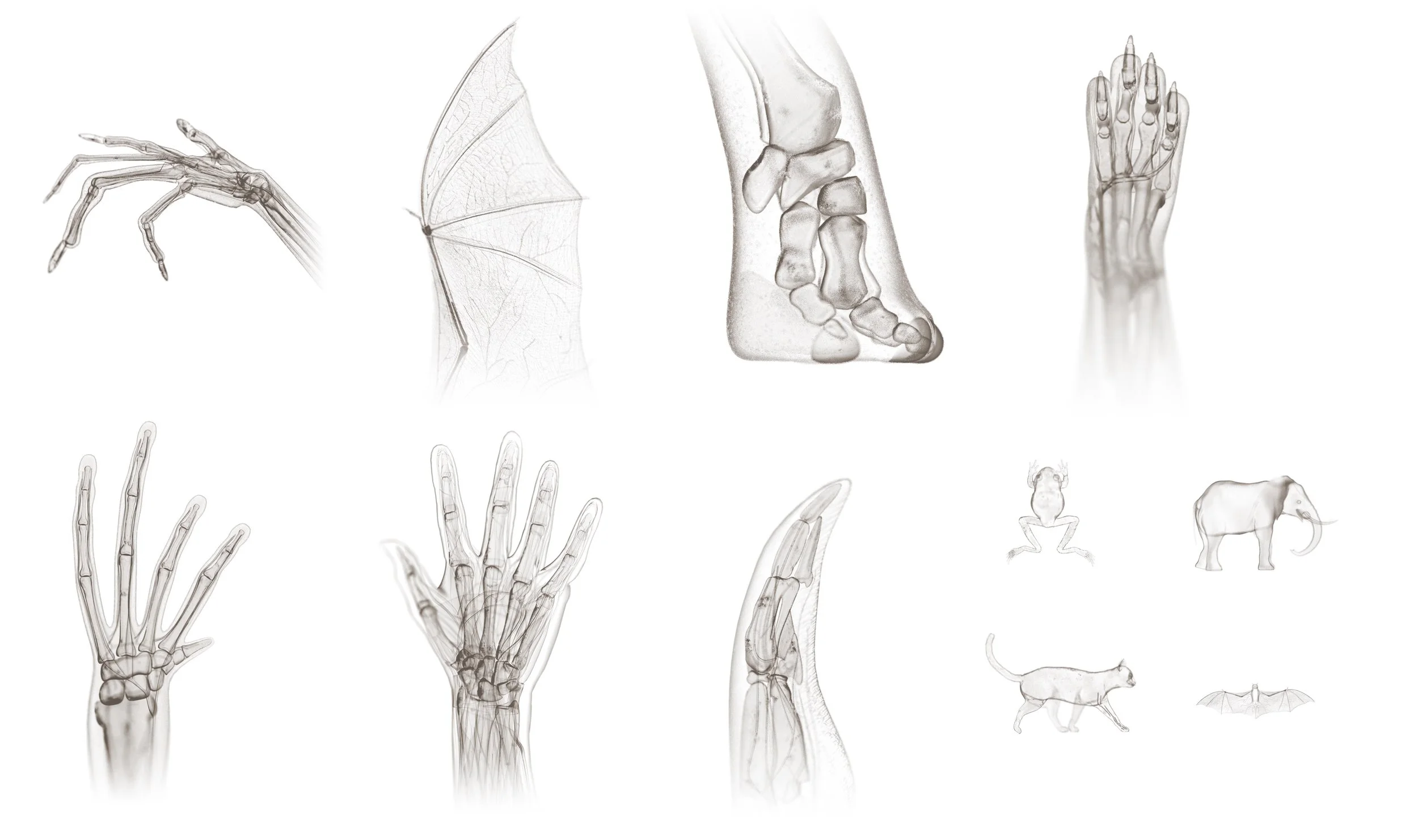
And here are a couple of the final illustrations (those of a bat and an elephant):
After we sent the finals for the print piece, Bill asked us for an animation showing how unique the aye-aye’s middle finger is. It was evolved to catch critters in tree bark and basically has a ball-and-socket joint in one of its knuckles, allowing for a very wide range of motion: